The Digital Twin: Bringing Your Physical Assets into the Digital Age
 mai 15, 2025
When we think about business assets, our minds often jump to the digital: the data in our CRM, the files in our document management system, or the creative content in our DAM. But every organization also relies on a vast and valuable portfolio of physical assets, from inventory in a warehouse to critical records in an offsite archive.
Too often, these physical assets are « dark. » They are managed with spreadsheets, paper logs, and tribal knowledge, making them invisible to our modern digital systems. The solution is to create a « digital twin » for every physical asset. This is a digital representation that brings your physical world under the same intelligent control as your digital one.
- What is a Digital Twin?
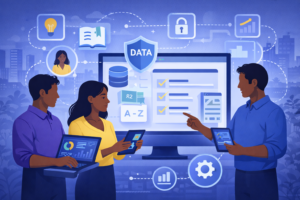
A digital twin is a virtual model of a physical object. In the context of asset and records management, this means creating a rich, digital profile for every physical item you manage, whether it is a box of documents, a piece of equipment, or a pallet of inventory.
This digital profile contains all the critical metadata about the physical asset: what it is, where it is located, who owns it, and what governance policies apply to it. By managing this digital profile, you can track and control the physical item with unprecedented precision.
- From Manual Hunts to Instant Discovery
The most immediate benefit of creating a digital twin is the end of the manual hunt. In a traditional system, finding a specific box of records or a particular piece of inventory is a slow, physical search process.
When you have a digital twin for every asset, your employees can find what they need with simple, electronic search. Instead of wandering through a warehouse, they can type a query into a system that tells them the exact aisle, shelf, and bin location of the item they need. This transforms retrieval times from hours or days to just minutes.
“A digital twin gives your physical assets a digital voice, allowing them to tell you exactly where they are and what their status is at any moment.”
- The Power of Barcodes and Mobile Scanning
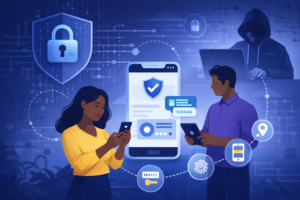
The digital twin is created and maintained through the simple but powerful technology of barcodes or RFID tags. By assigning a unique barcode to every physical asset, from a single file to an entire pallet, you can use mobile scanning devices to effortlessly track its entire lifecycle.
A quick scan can log the receipt of a new item, confirm its placement in a specific location, track its movement between facilities, or record its final disposition. This eliminates error prone manual data entry and creates a complete, defensible audit trail for every physical asset.
- Unifying Governance for a Hybrid World
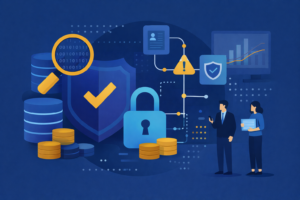
One of the biggest challenges for any organization is applying consistent governance policies across both their digital and physical assets. With a digital twin, you can solve this problem.
The same automated retention policy that applies to a digital contract can be applied to the digital twin of its physical counterpart. When the retention period ends, both the digital and physical records will automatically appear on the same disposition approval workflow. This unified, hybrid approach to governance is essential for ensuring complete and defensible compliance.
Bringing Your Entire Enterprise into View
Your physical assets are too valuable to be left in the dark. By creating a digital twin for every item, you can gain total visibility, improve operational efficiency, and apply consistent governance policies across your entire enterprise.
Gain total visibility over all your assets with our unified, hybrid management solutions.